B2B Event Marketing in 2026: The ROI Reality and the 3 Event Types Worth Running
Most B2B events lose money. The 3 event types that generate positive ROI in 2026, the cost per attendee, and the follow-up engine.
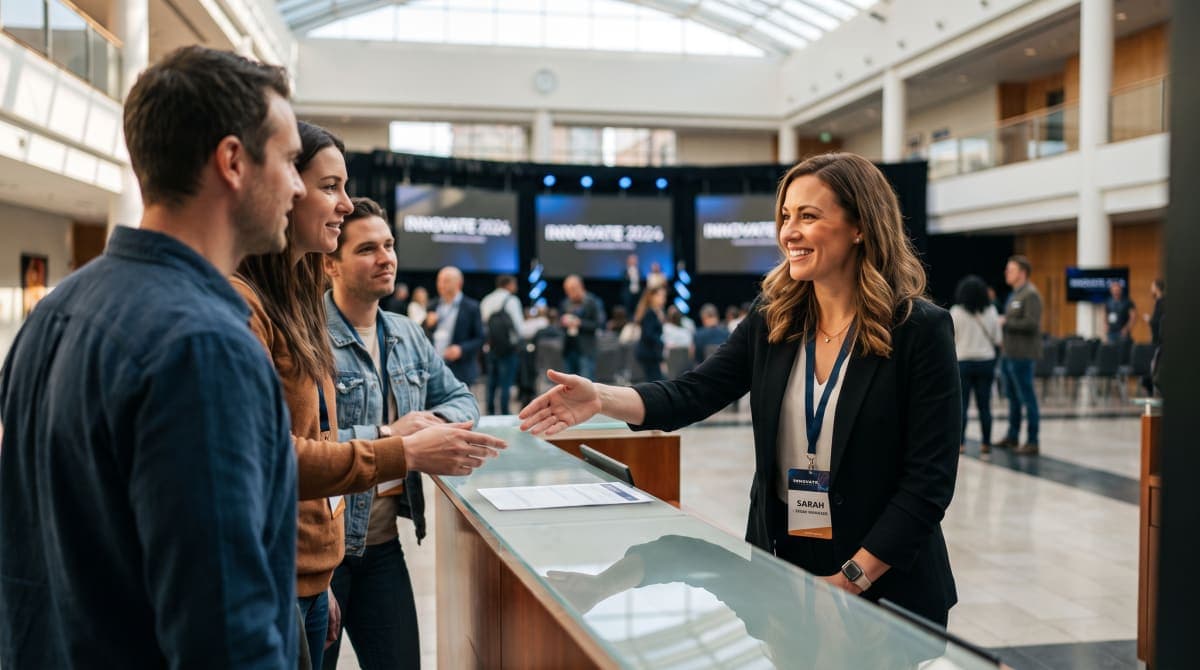
Most B2B events lose money. The 2026 data is unambiguous: average cost per attendee at a third-party conference is $500-1,500. Average pipeline generated per attendee: $200-500. The math does not work for most companies.
The events that do work in 2026 fall into 3 categories: intimate dinners, owned virtual summits, and curated in-person meetups. Here is the ROI reality and the playbook.
The 3 event types that generate positive ROI
Type 1: Intimate dinners ($5K-$15K cost, 10-20 attendees)
The format: a curated dinner with 10-20 senior leaders (VP+, C-suite) from your ICP. A 20-minute talk or facilitated discussion on a specific topic. The rest is networking.
The economics:
The success factors:
Type 2: Owned virtual summits ($10K-$50K cost, 100-500 attendees)
The format: a 2-3 hour virtual event with 3-5 speakers, including 1-2 external (customer or industry) speakers. Breakout sessions. Live Q&A.
The economics:
The success factors:
Type 3: Curated in-person meetups ($2K-$10K cost, 30-100 attendees)
The format: a 2-3 hour in-person event in a single city. 1-2 speakers, structured networking, food and drink. Recurring (monthly or quarterly) in 1-2 cities.
The economics:
The success factors:
- Cost: $5K-$15K (venue, food, speaker fee, marketing)
- Attendees: 10-20 senior leaders
- Cost per attendee: $500-$1,500
- Pipeline generated per attendee: $2K-$10K (because senior leaders close faster and bigger)
- ROI: 2-5x
- Curated guest list (do not let anyone register - personally invite)
- Strong topic that the ICP cares about
- Limited sales presence (no booths, no pitches)
- 6-week follow-up cadence
- Cost: $10K-$50K (production, speakers, platform, marketing)
- Attendees: 100-500
- Cost per attendee: $100-$200
- Pipeline generated per attendee: $50-$200
- ROI: 1-2x (plus content assets that can be repurposed)
- Strong speaker lineup (1-2 marquee external names)
- Topic tied to a current industry pain
- Co-marketing with 2-3 partners to amplify reach
- Heavy follow-up with 4-5 touch sequence over 30 days
- Cost: $2K-$10K (venue, food, speaker, marketing)
- Attendees: 30-100 per event
- Cost per attendee: $100-$300
- Pipeline generated per attendee: $200-$500
- ROI: 2-3x
- Recurring cadence (monthly or quarterly in the same city)
- Consistent format (the audience knows what to expect)
- Local partnerships (co-working spaces, industry groups)
- Compounding attendee list over time
The events that do not work
Third-party conferences and trade shows
The exceptions: very targeted industry conferences with 80%+ of attendees matching the ICP, where the company has a speaking slot, and where the conference has a curated 1:1 meeting program.
Sponsorships without speaking
Pay-to-play sponsorships without a speaking slot generate brand awareness but very little pipeline. The 2026 data shows 5-10x ROI difference between sponsored talks and sponsored booths.
Large virtual events (1,000+ attendees)
The cost to produce a 1,000+ attendee virtual event is $50K-$200K+. The pipeline generated rarely justifies it. The exception: a category-defining event that builds long-term brand authority (and you can sustain the investment for 3+ years).
- Cost: $20K-$100K+ (booth, travel, materials, team time)
- Cost per attendee: $500-$1,500
- Pipeline per attendee: $200-$500
- ROI: 0.3-0.5x (most companies lose money)
The follow-up engine that determines ROI
Most events fail in the follow-up, not the event itself. The 2026 best practice:
Within 24 hours
Within 72 hours
Within 14 days
Within 30 days
The teams that hit 5x ROI on events run this 4-touch sequence. The teams that hit 1x ROI send a single "thanks for attending" email.
- Personalised email to every attendee referencing a specific conversation
- LinkedIn connection request to every attendee
- Share the deck, recording, or relevant resource
- Second touch with a specific offer (case study, demo, follow-up call)
- A/B tested subject line to maximise reply rate
- Third touch with social proof (testimonial from another attendee, or new case study)
- Phone call to high-intent attendees
- Final touch. Move to standard nurture or disqualify.
The metrics to track
| Metric | Target |
|---|---|
| Show-up rate (registered vs attended) | 60%+ |
| MQLs from event | 30%+ of attendees |
| SQLs from event | 10%+ of attendees |
| Pipeline $ generated | 2x+ event cost |
| Cost per MQL | under $200 |
| Cost per SQL | under $500 |
If show-up rate is under 50%, the event is not generating enough pipeline. If cost per MQL is over $500, the format is wrong (probably too large).
The 12-month event calendar
For a 50 to 200-person B2B company, the 2026 calendar that works:
The total annual cost: $50K-$150K. The pipeline generated: $500K-$2M. ROI: 5-10x.
- Monthly: 1 curated in-person meetup in a target city
- Quarterly: 1 owned virtual summit (2-3 hours)
- Bi-annually: 2-3 intimate dinners in target cities
- Annually: 1 flagship in-person event (200+ attendees) for category authority
Frequently asked questions
- The 3 event types that generate positive ROI?
- Type 1: Intimate dinners ($5K-$15K cost, 10-20 attendees) The format: a curated dinner with 10-20 senior leaders (VP+, C-suite) from your ICP. A 20-minute talk or facilitated discussion on a specific topic. The rest is networking. The economics: - Cost: $5K-$15K (venue, food,…
- The events that do not work?
- Third-party conferences and trade shows - Cost: $20K-$100K+ (booth, travel, materials, team time) - Cost per attendee: $500-$1,500 - Pipeline per attendee: $200-$500 - ROI: 0.3-0.5x (most companies lose money) The exceptions: very targeted industry conferences with 80%+ of att…
- The follow-up engine that determines ROI?
- Most events fail in the follow-up, not the event itself. The 2026 best practice: Within 24 hours - Personalised email to every attendee referencing a specific conversation - LinkedIn connection request to every attendee - Share the deck, recording, or relevant resource Within…
- The metrics to track?
- | Metric | Target | | --- | --- | | Show-up rate (registered vs attended) | 60%+ | | MQLs from event | 30%+ of attendees | | SQLs from event | 10%+ of attendees | | Pipeline $ generated | 2x+ event cost | | Cost per MQL | under $200 | | Cost per SQL | under $500 | If show-up r…
About the author
ZeerFlow Team — ZeerFlow Team
The ZeerFlow editorial team publishes benchmarked, operator-first guides on AI automation, outbound, and production AI systems.
View author profilePart of our pillar-cluster coverage on this subject.
Comprehensive guide
The B2B Outbound Tech Stack for 2026: 12 Tools That Actually Work TogetherContinue Reading

The B2B Outbound Tech Stack for 2026: 12 Tools That Actually Work Together
The 12-tool outbound stack used by top B2B teams in 2026. What each tool does, what it costs, and the integrations that make the system run.

B2B Sales Forecasting in 2026: The 3-Number Model That Beats the Spreadsheet
Spreadsheet forecasts miss by 30-50%. The 3-number weighted pipeline model that top sales leaders use. Methodology, cadence, and the math.

Cold Calling Benchmarks 2026: Answer Rates, Connect Rates, and What Top Teams Do Differently
Cold call answer rates hit 13.3% with verified data. Top reps book 30-45% of conversations. The 2026 benchmarks and the patterns that work.
Enjoyed this article?
Get our latest engineering insights delivered straight to your inbox.