Cold Calling Benchmarks 2026: Answer Rates, Connect Rates, and What Top Teams Do Differently
Cold call answer rates hit 13.3% with verified data. Top reps book 30-45% of conversations. The 2026 benchmarks and the patterns that work.
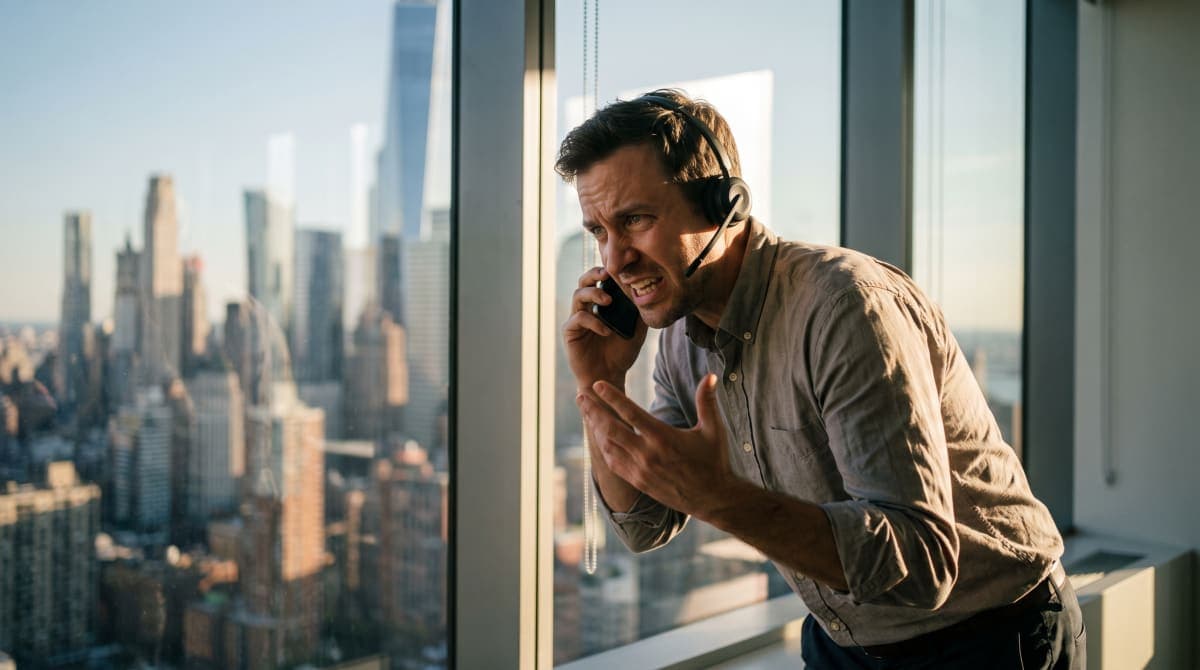
Cold calling in 2026 is not dead. It is the highest-converting single touch in a multi-channel sequence when done with verified data and the right timing.
Cognism's 2026 data reports cold call answer rates of approximately 13.3% when using verified contact data. Top teams convert 30-45% of answered calls into booked meetings.
Here are the 2026 benchmarks and what top teams do differently.
The 2026 cold call benchmarks
| Metric | Average | Top quartile |
|---|---|---|
| Answer rate (verified data) | 13.3% | 20%+ |
| Connect rate (live conversation) | 8-10% | 15%+ |
| Conversation-to-meeting | 15-25% | 30-45% |
| Dials per meeting | 60-80 | 30-40 |
The top quartile is not making more dials. They are making smarter dials to better lists at better times.
The timing that works
Connect rates peak between 10am-11am local and 4pm-5pm local, with a secondary peak Tuesday and Wednesday.
The 2026 playbook:
Friday cold calls convert at half the rate of Tuesday-Thursday. The data is consistent across multiple 2026 studies.
- Monday: List building and research
- Tuesday to Thursday: Heavy dial blocks (10am-11am, 4pm-5pm)
- Friday: Follow-ups and nurture sequences, not cold outreach
The phone-as-follow-up pattern
Cold calling as a standalone activity produces:
Cold calling as a follow-up channel (within 60 minutes of a positive email reply or LinkedIn engagement) produces:
The lesson: phone is the highest-converting follow-up channel. It is not the highest-converting first touch.
- 200 dials a day from a script = under 5% connect rate
- Under 1% meeting book rate
- 30%+ connect rate
- 15-25% meeting book rate
The opener that works
The most effective cold call opener in 2026:
Example: "I saw you just hired a VP of Revenue. Most companies at that stage are running 3x more outbound than they need to because their routing is manual. Curious if that's what you're seeing?"
That opener:
- Reference a signal (the funding round, the new hire, the new tool)
- Ask a diagnostic question before pitching
- 30-60 seconds, then listen
- References a specific trigger event
- Names a common pain (so they lean in if they have it)
- Asks a question (opens the conversation)
- Does not pitch
The discovery pattern
After the opener, the top reps follow this structure:
Total call: 8-12 minutes. Anything longer usually means the rep is pitching too much.
- 3-5 minutes of discovery (open-ended questions)
- 1-2 minutes of value framing (if the problem is real)
- 2-3 minutes of next steps (specific time, specific format)
The voicemail pattern
Leave 70% of voicemails (per Cognism 2026). The pattern that gets callbacks:
The callback rate on voicemails with this structure is 3-5%. The callback rate on long voicemails is under 1%.
- Under 20 seconds
- Reference the signal
- State your name and number twice
- Do not ask for a callback
- End with: "I'll try you again Thursday."
The metrics to track
| Metric | Target |
|---|---|
| Dials per day | 80-120 |
| Answer rate | 13%+ |
| Connect rate | 8%+ |
| Conversation rate | 6%+ |
| Meeting book rate | 15-25% of conversations |
| Cost per meeting | $50-100 |
If answer rate is under 8%, the data quality is the problem. Fix the list, not the script.
The 3 mistakes that kill cold calling
- Cold calling without prior email or LinkedIn touch. The connect rate is 3-5%. With prior touch, 13%+.
- Pitching in the first 30 seconds. Top reps ask a question first.
- Calling at the wrong time. Monday morning and Friday afternoon convert at half the rate.
The role of AI in 2026 cold calling
AI agents have changed the math:
The result: each rep produces 2-3x more meetings per day.
- Pre-call research: AI pulls LinkedIn, company news, trigger events in 30 seconds
- Call transcription: AI transcribes and summarizes every call
- Follow-up: AI sends the recap email within 5 minutes of hangup
- Coaching: AI scores every call on question count, talk ratio, next-step clarity
Frequently asked questions
- The 2026 cold call benchmarks?
- | Metric | Average | Top quartile | | --- | --- | --- | | Answer rate (verified data) | 13.3% | 20%+ | | Connect rate (live conversation) | 8-10% | 15%+ | | Conversation-to-meeting | 15-25% | 30-45% | | Dials per meeting | 60-80 | 30-40 | The top quartile is not making more di…
- The timing that works?
- Connect rates peak between 10am-11am local and 4pm-5pm local, with a secondary peak Tuesday and Wednesday. The 2026 playbook: - Monday: List building and research - Tuesday to Thursday: Heavy dial blocks (10am-11am, 4pm-5pm) - Friday: Follow-ups and nurture sequences, not cold…
- The phone-as-follow-up pattern?
- Cold calling as a standalone activity produces: - 200 dials a day from a script = under 5% connect rate - Under 1% meeting book rate Cold calling as a follow-up channel (within 60 minutes of a positive email reply or LinkedIn engagement) produces: - 30%+ connect rate - 15-25%…
- The opener that works?
- The most effective cold call opener in 2026: - Reference a signal (the funding round, the new hire, the new tool) - Ask a diagnostic question before pitching - 30-60 seconds, then listen Example: "I saw you just hired a VP of Revenue. Most companies at that stage are running 3…
About the author
ZeerFlow Team — ZeerFlow Team
The ZeerFlow editorial team publishes benchmarked, operator-first guides on AI automation, outbound, and production AI systems.
View author profilePart of our pillar-cluster coverage on this subject.
Continue Reading

Cold Email Conversion Benchmarks 2026: What Good Actually Looks Like
The 2026 cold email benchmarks from Instantly, Apollo, Sopro, and Belkins. What reply rate, open rate, and meeting conversion look like across the funnel.
B2B Sales Funnel Benchmarks 2026: Conversion Rates at Every Stage
The 2026 B2B funnel benchmarks from MQL to closed deal. What good looks like at every stage, by company size and ACV.

B2B Cold Email Personalisation in 2026: Signal-Based Beats Name-Based Every Time
Name personalisation gets 1-2% reply rate. Signal-based personalisation gets 15-25%. The 5 signal categories and how to operationalise them.
Enjoyed this article?
Get our latest engineering insights delivered straight to your inbox.